Python Course for Class 10 Students
A project-based 36-week, 72-session Python programming curriculum for Class 10 students, progressing from clear coding foundations to a working year-end application.
Quick answer
The Class 10 Python program provides two one-hour coding sessions per week for 36 instructional weeks. Every module combines concepts, guided practice, debugging and a project, so learners develop working Python skills rather than merely replicating code.
9 modules × 8 sessions = 72 guided sessions
Select any module to read the full explanation—the big idea, the concepts unpacked, the session-by-session plan and the project students build.
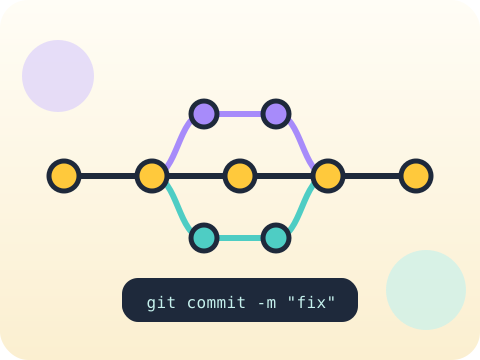
Python Readiness Sprint
Board year. Time to make every habit count.
- Core syntax
- Git concepts
- Code review
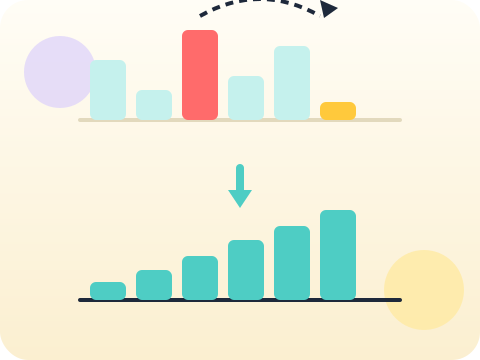
Algorithms and Complexity
Same answer, wildly different cost. Choosing well is engineering.
- Search and sort
- Big-O intuition
- Trade-offs
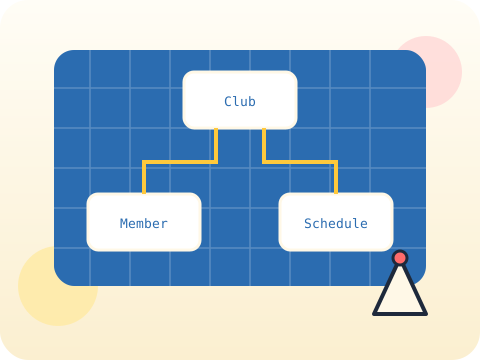
Object-Oriented Design
Good design is mostly deciding what each part is not responsible for.
- Responsibilities
- Composition
- Design clarity
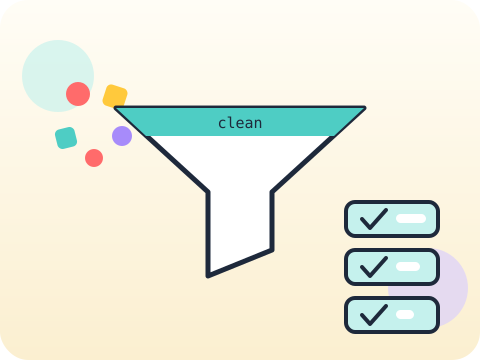
Data Engineering Basics
Real data is messy, incomplete and occasionally lying. Build for that.
- CSV and JSON
- Clean and validate
- Transform pipeline
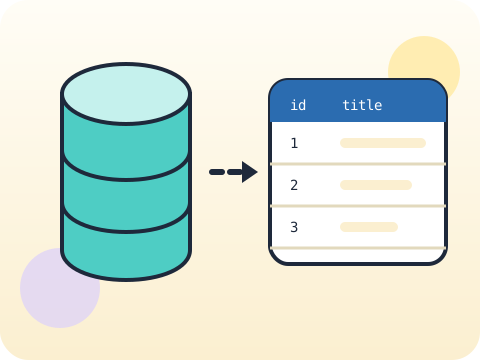
Database Applications
Design the tables well and the application almost writes itself.
- Schema design
- CRUD
- Data integrity
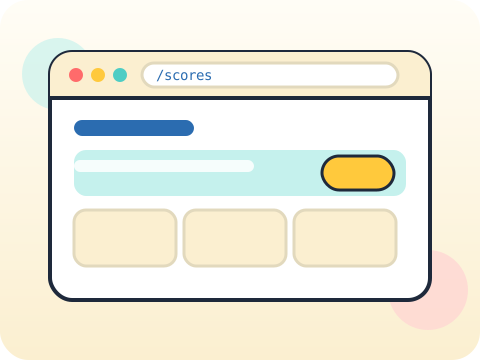
Web Application Development
Multiple pages, real data, actual users. This is software now.
- Server routes
- Templates
- Forms and sessions concept
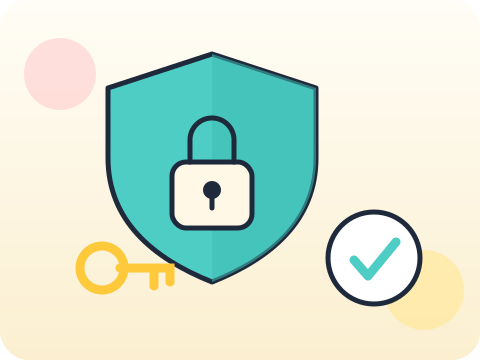
Testing and Security
The last two questions before shipping: does it work, and is it safe?
- Unit tests
- Validation
- Secrets and permissions
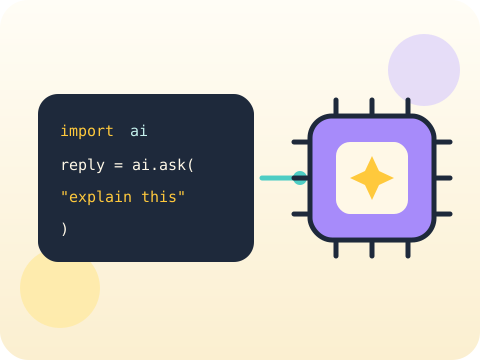
AI-enabled Python
Adding AI to a product is easy. Adding it responsibly is the actual skill.
- Model integration concepts
- Structured outputs
- Human checks
Portfolio and Deployment
Everything, finished, documented, deployed and defended.
- Complete product
- Documentation
- Demo and viva
Year-end outcome
A project the student can explain—not just display. By the end of the year, students can:
- Define the problem or learning goal
- Document important decisions and changes
- Test the output and correct issues
- Present the work and answer questions
Assessment approach
Progress across skills, projects and reflection. Reviews consider understanding, application, originality, accuracy, safety, debugging or verification, and the student's ability to explain their work.
- Module practice and mini-projects
- Mid-year review checkpoint
- Portfolio documentation
- Final capstone demonstration
What families and schools ask
Is this Python curriculum suitable for a Class 10 beginner?
How many Python sessions are included?
Will students build real projects?
Does my child need a laptop?
Your child's free trial is one message away.
Tell us your child’s class and what they enjoy. We will suggest the closest program fit—no pressure and no upfront payment.